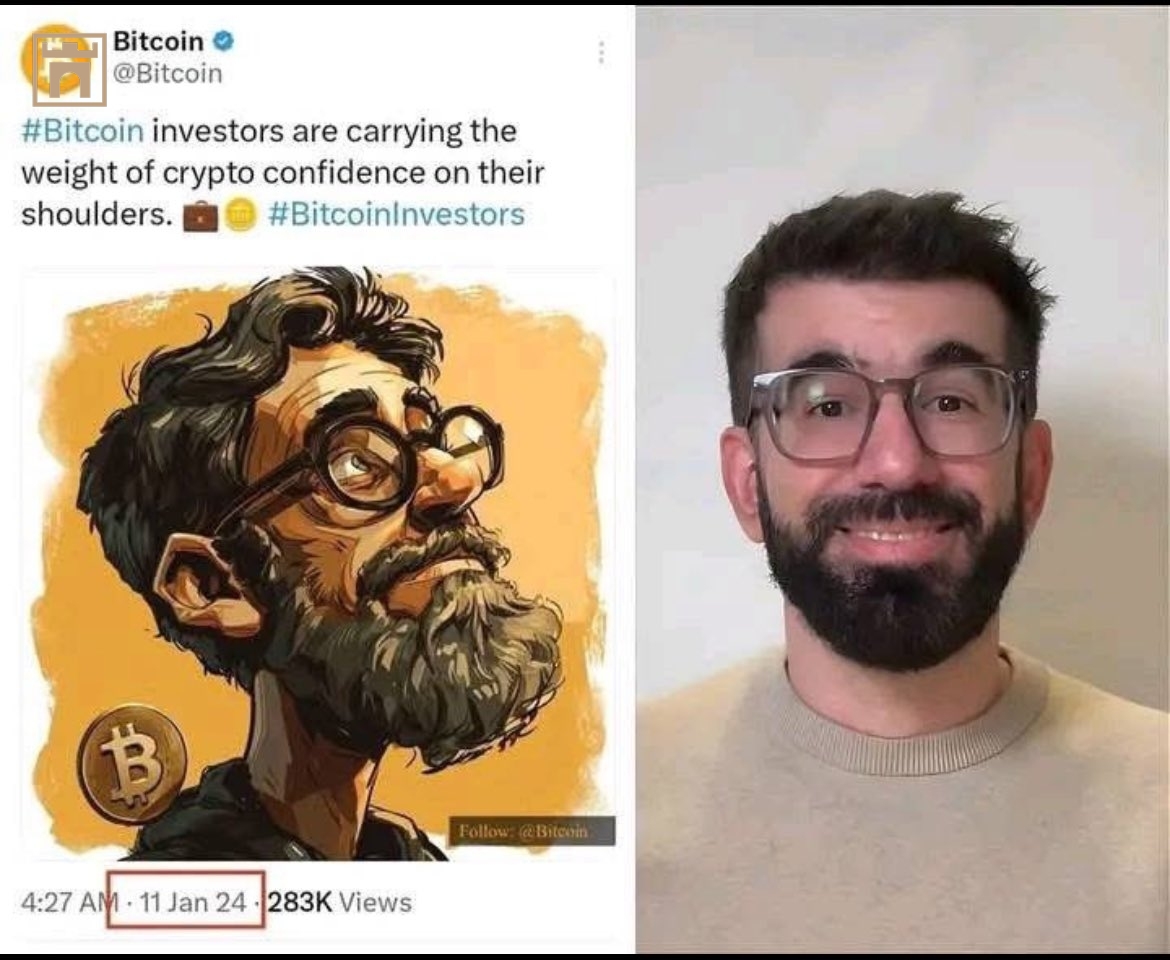
The Whisper That Won’t Die: Did Satoshi Nakamoto Create Pi Network?
“Pi Network is the only cryptocurrency people are whispering Satoshi Nakamoto might’ve built.”
It’s one of the most intriguing whispers in the crypto world right now—Could Satoshi Nakamoto, the elusive creator of Bitcoin, be connected to Pi Network? While there’s no concrete proof, the signs are too curious to ignore.
Here’s why people are starting to believe that Pi may be more than just another project—it might be Satoshi’s next move.
⸻
1. Mysterious Origins & Secrecy
Just like Bitcoin, Pi Network launched quietly, without flashy marketing or huge fundraising campaigns. It grew from the ground up—slowly, strategically, intentionally. It’s taken years to reach the Open Network stage, and despite its massive community, it’s still not listed on major exchanges.
That’s not incompetence—it feels like deliberate timing. The same kind of long-game strategy Satoshi used. Focus on building something real before exposing it to the world.
⸻
2. The Stanford Connection
The founders of Pi Network, Dr. Nicolas Kokkalis and Dr. Chengdiao Fan, are not just tech-savvy—they’re visionaries with deep academic roots from Stanford, a place known for birthing world-changing innovations.
Kokkalis, in particular, has a background in cryptography, distributed systems, and smart contracts—well before Ethereum popularized them. Some even say he was experimenting in the crypto space before Bitcoin’s whitepaper was even published. That’s more than coincidence—that’s experience that matches the shadow of Satoshi.
⸻
3. Focus on Inclusion and Global Fairness
Bitcoin was created to decentralize power and return financial freedom to the people. Pi Network carries that same flame. It introduced mobile mining to allow anyone with a smartphone to participate—no expensive mining rigs, no barriers to entry.
It’s not about favoring the rich or tech elite—it’s about global inclusion, especially in underserved regions. That’s exactly what Satoshi envisioned when Bitcoin was born.
⸻
4. Anonymity and Timing
Bitcoin’s last message from Satoshi came in 2011. And then—silence.
Almost exactly a decade later, Pi quietly launched in 2019. No loud entrance, no aggressive promotion. Just a new whitepaper, a new vision, and a movement that felt eerily familiar.
Was that a coincidence? Maybe. But crypto doesn’t run on coincidences—it runs on patterns. And the timing of Pi’s rise is one the community keeps coming back to.
⸻
5. No ICO. No Public Sale. Just Mining.
Bitcoin never sold tokens. It was mined. And so is Pi.
There was no Initial Coin Offering. No token pre-sale. No venture capitalists pumping and dumping. It’s one of the only major crypto projects left that stayed true to that original philosophy—earn it by contributing, not buying your way in.
That alone has earned Pi massive respect.
⸻
6. California Connection
Bitcoin’s very first transaction took place in California—the birthplace of Silicon Valley innovation. Guess where Pi Network is headquartered?
California.
Dr. Nicolas Kokkalis has been based there for years, working in advanced blockchain systems before Ethereum existed. The roots run deep. Too deep for some to ignore.
⸻
7. Early Crypto Involvement & Smart Contracts Before Ethereum
Long before Pi Network, Kokkalis was writing smart contracts and decentralized applications. Ethereum gets credit for introducing smart contracts to the mainstream—but people close to the early blockchain scene know others were already laying the foundation.
It’s possible Kokkalis—or whoever was behind those early smart contract experiments—had a hand in both Bitcoin and Pi.
⸻
8. Ties to SatoshiLabs & Advanced Node Infrastructure
Here’s another layer: Pi Network has been engaged with SatoshiLabs, the company behind Trezor and early Bitcoin innovations. That’s not a casual relationship—it hints at a shared technical history.
@PiCoreTeam @nkokkalis @Bitcoin @Chengdiao 😀🖖🏼🚀